
Ever handed your child a tablet just to get five minutes of peace, then felt a little guilty about it? You’re not alone. Across New Zealand, parents and teachers are searching for screen-free ways to keep kids curious, and STEM kits for education are quickly becoming the answer. These hands-on learning tools turn tricky concepts in science, technology, engineering, and math into something kids can touch, build, and actually understand.
In this guide, we’ll break down exactly what a STEM kit is, why it matters for STEM education, and how simple DIY electronics kits can spark a lifelong love of learning starting today.
What Is a STEM Kit, Exactly?
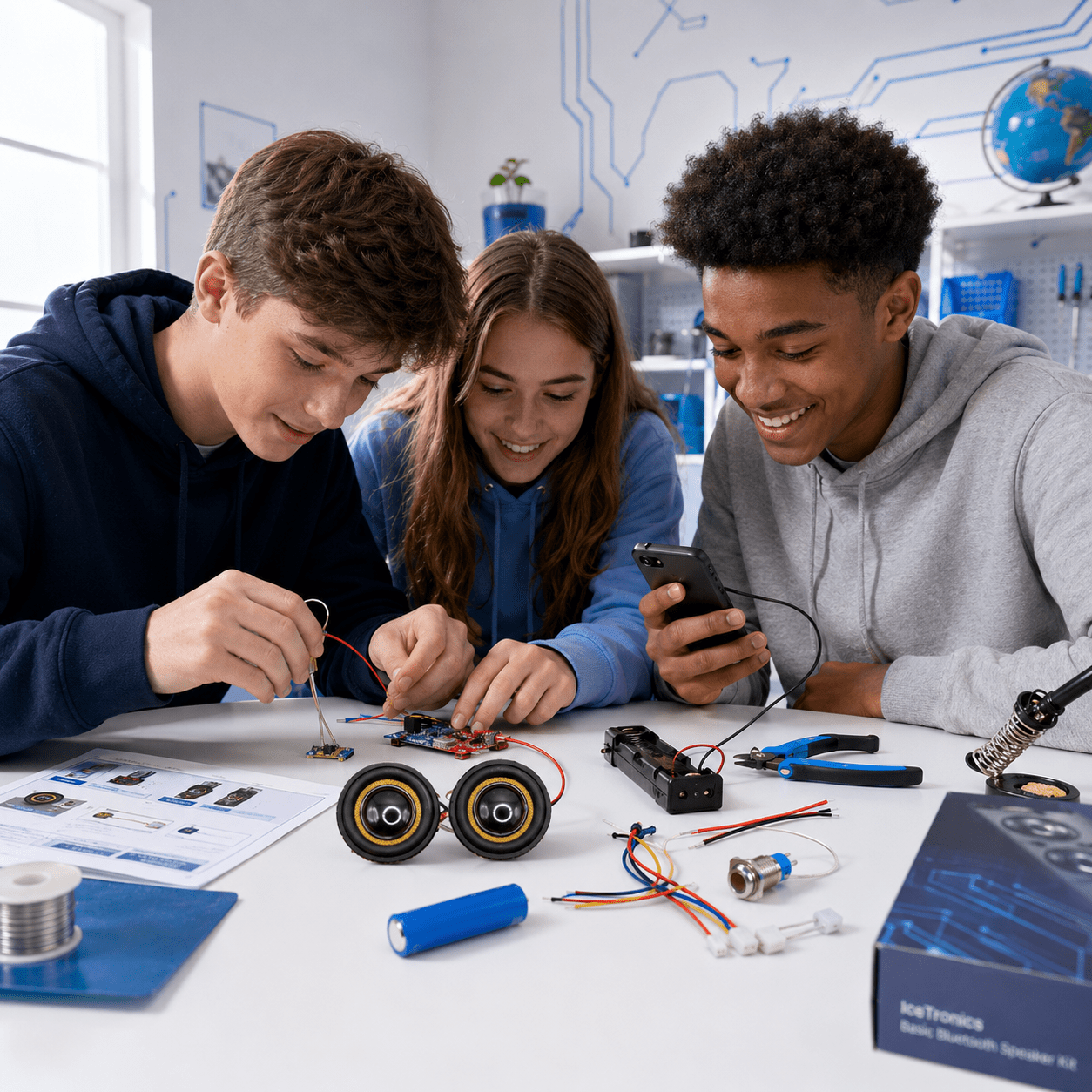
A STEM kit is a hands-on learning set that combines science, technology, engineering, and math concepts into a single, guided activity. Instead of reading about how a circuit works, a child builds one and watches an LED light up because of something they created themselves.
Most kits include:
- Physical components (wires, batteries, sensors, building blocks, or gears)
- Step-by-step instructions with diagrams
- A real project outcome, like a working robot, circuit, or model
That instant feedback loop, building it, testing it, and seeing it work, is what separates STEM kits from traditional worksheets or textbooks.
Why Learning by Doing Works So Well
Kids retain far more when they’re actively involved in the process rather than passively absorbing information. Psychologists call this “experiential learning,” and it’s the backbone of every good STEM kit.
When a child troubleshoots why their circuit isn’t lighting up, they’re not just fixing a toy. They’re practicing:
- Logical reasoning
- Patience and persistence
- Fine motor skills
- Confidence in their own problem-solving ability
Why STEM Education Matters More Than Ever in NZ
Over the past decade, New Zealand schools have increasingly embraced STEM education—and it’s much more than just a passing trend. Employers across engineering, tech, healthcare, and trades increasingly value candidates who can think critically and solve problems from first principles, skills that start young.
Here’s why STEM education deserves a spot in every household, not just the classroom:
- It builds future-ready skills. Coding, robotics, and electronics knowledge are becoming as fundamental as reading and writing.
- It closes the gap between theory and practice. Kids don’t just memorize how electricity works they see it happen.
- It’s genuinely fun. Learning doesn’t feel like learning when there’s a working robot at the end of it.
What age should kids start STEM kits?
Most children can start with simple snap-together circuit kits from around age 5–6, progressing to breadboard and microcontroller kits by ages 8–12, and soldering or programmable robotics kits from age 12 and up.
DIY Electronics Kits: The Best Entry Point
If you’re new to the world of STEM kits, DIY electronics kits are one of the easiest and most affordable places to start. They’re compact, reusable, and scale in difficulty as your child grows.
Beginner-Friendly Components to Look For
- LEDs – simple, safe, and instantly rewarding
- Switches – teach the basics of circuit control
- Breadboards – allow experimenting without soldering
- Battery packs – keep everything low-voltage and safe
Pro Tips for Choosing the Right Kit
- Match the kit to your child’s age and attention span, not just their interests.
- Look for kits with clear, illustrated instructions rather than dense text.
- Start smaller than you think you need to. A quick early win builds confidence for harder projects later.
- Choose kits that grow with your child, so you’re not buying a new set every six months.
Common Mistakes to Avoid
- Buying a kit that’s too advanced too soon, which can lead to frustration rather than curiosity.
- Skipping the instruction booklet and assuming kids will “figure it out” guided structure matters, especially early on.
- Forgetting to store small components properly between sessions (a simple container box saves a lot of frustration).
Best Practices for Getting the Most Out of a Kit
- Set up a dedicated learning space, even if it’s just a corner of the kitchen table.
- Let your child lead, but stay nearby for questions you don’t need to be an electronics expert to be a useful sounding board.
- Celebrate the failures, not just the wins. A circuit that doesn’t work the first time is a lesson, not a setback.
Conclusion
STEM kits aren’t just another toy sitting in the cupboard they’re a genuinely effective way to build critical thinking, patience, and technical confidence in kids of all ages. Whether you’re a parent in Auckland, Wellington, or anywhere in between, starting with a simple DIY electronics kit is one of the easiest ways to bring STEM kit education to life at home.
Ready to get started? Explore a beginner-friendly STEM kit today and watch your child’s curiosity turn into real, hands-on skill.