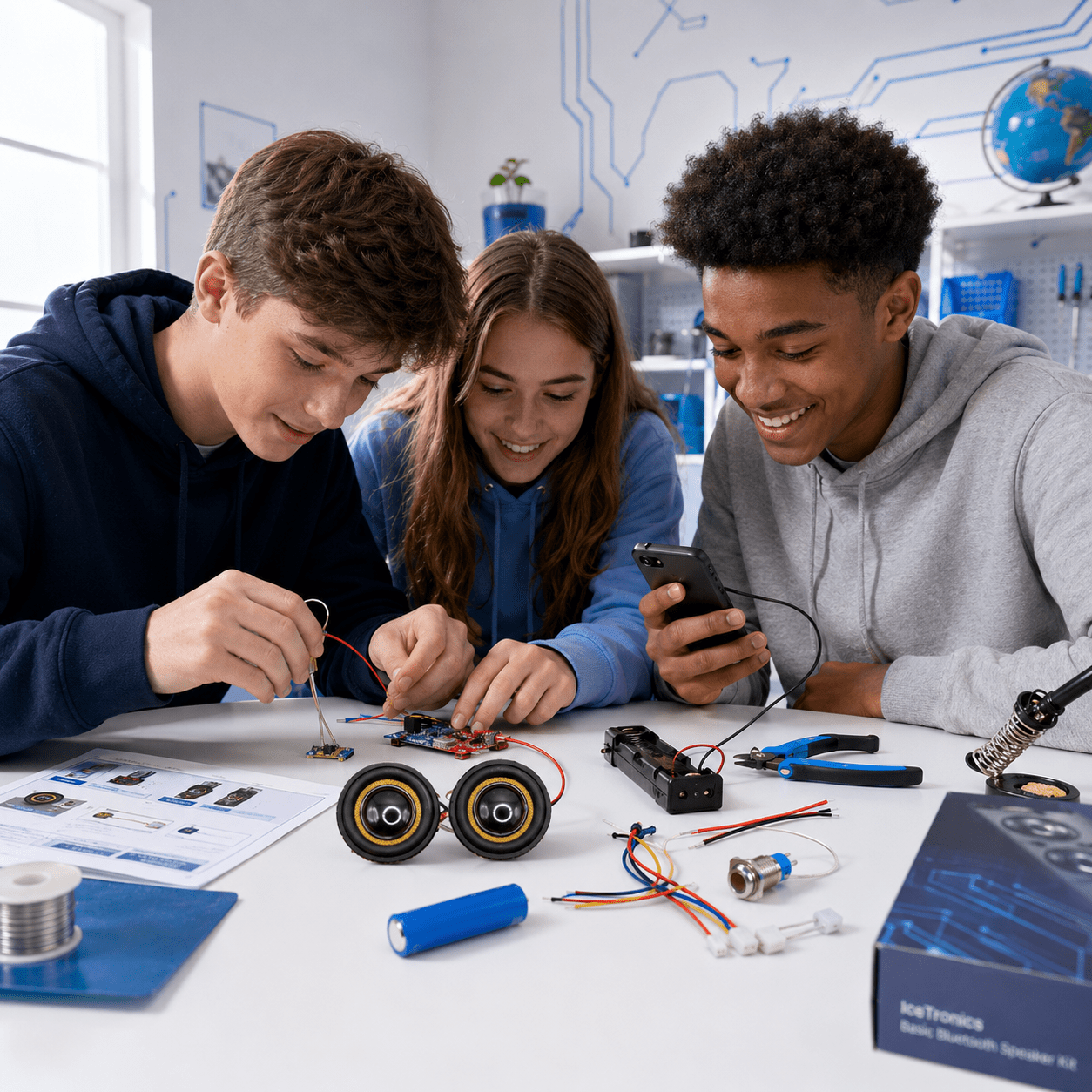

Ever opened a soldering iron box and wondered what to build next? A Bluetooth Speaker Kit might just be the answer.
Across New Zealand, more electronics enthusiasts are turning to these kits as a fun, hands-on way to combine practical skills with a genuinely useful end product. Instead of buying another mass-produced speaker, you get to build one yourself — and actually understand how it works.
If you’ve been searching for a project that’s beginner-friendly but still satisfying for experienced tinkerers, a Bluetooth Speaker Kit ticks almost every box.
What Is a Bluetooth Speaker Kit?
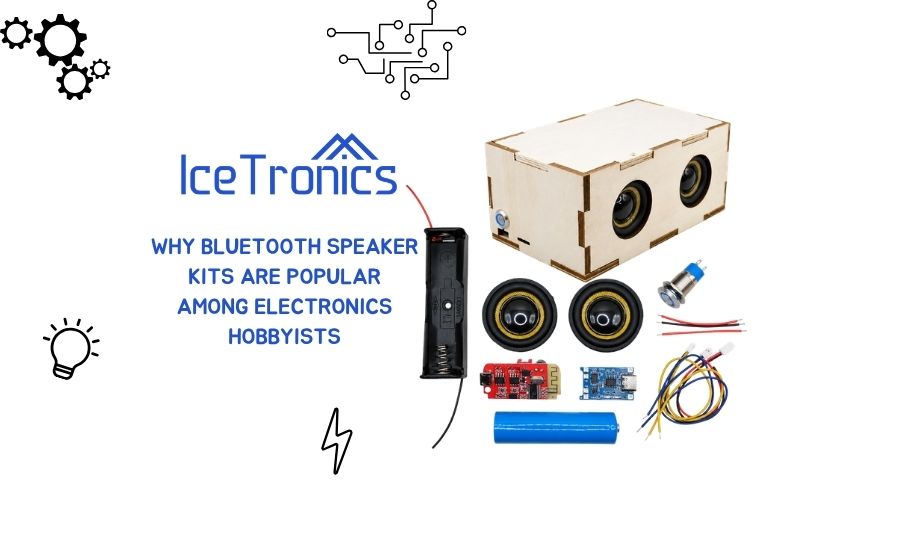
A Bluetooth Speaker Kit is a package of pre-selected electronic components — amplifier board, Bluetooth module, speaker drivers, wiring, and sometimes a casing — designed so hobbyists can assemble their own working speaker from scratch.
Unlike buying a finished product off the shelf, these kits let you:
- Learn how audio circuits and amplifiers actually function
- Practice soldering and wiring skills
- Customise the design, sound output, and enclosure
- Understand Bluetooth pairing and signal processing basics
It’s essentially a hands-on electronics lesson that ends with something you can actually use every day.
Why Are Bluetooth Speaker Kits So Popular Right Now?
1. They Make Learning Practical
Reading about circuits is one thing. Wiring one together with your own hands is a completely different — and far more memorable — experience.
A DIY Bluetooth Speaker Kit turns abstract concepts like impedance, amplification, and signal flow into something tangible you can see, touch, and troubleshoot.
2. Affordable Entry Point Into Electronics
Compared to more advanced hobbies like robotics or PCB design, a Bluetooth Speaker DIY project is relatively inexpensive to start.
Most kits come with everything included, so there’s no need to hunt down individual components or worry about compatibility issues.
3. Growing Maker Culture in NZ
New Zealand’s maker and hobbyist community has grown steadily, with local electronics stores and online Kiwi retailers stocking more DIY audio kits than ever before.
This growth reflects a broader trend: people want to understand and personalise the tech they use daily, rather than simply consuming it.
4. Satisfying, Fast Results
Unlike long-term builds that can take weeks, most Bluetooth Audio Kit projects can be completed in a single weekend — giving hobbyists a quick sense of achievement.
Common Mistakes to Avoid
Even simple kits can go wrong if you rush the process. Watch out for these common errors:
- Skipping the manual – Every kit has slightly different wiring; don’t assume it matches a video you watched online.
- Poor soldering joints – Cold solder joints are one of the top causes of speaker failure.
- Ignoring polarity – Reversing positive and negative wires can damage components.
- Ignoring enclosure design – Sound quality depends heavily on the housing, not just the internal parts.
- Rushing Bluetooth pairing setup – Some modules need a firmware update or reset before first use.
Pro Tips for a Better Build
- Test components before final assembly. Power up the amplifier board separately first to confirm everything works.
- Use heat shrink tubing on exposed wires to prevent short circuits.
- Choose a well-ventilated enclosure if your amplifier runs warm during use.
- Label your wires as you go — it saves confusion during troubleshooting later.
- Start with a basic kit before moving on to more advanced builds with equalisers or multiple drivers.
What Hobbyists Should Know
Experienced electronics builders often recommend starting with a well-documented kit rather than the cheapest option available.
A slightly higher-quality Bluetooth Speaker Kit typically includes clearer instructions, better-quality components, and more reliable Bluetooth modules — all of which reduce frustration for beginners.
It’s also worth joining online hobbyist forums or local NZ maker groups. Troubleshooting tips from people who’ve built the same kit can save hours of guesswork.
Best Practices for Long-Term Use
- Store the speaker in a dry area to protect internal components
- Avoid overloading the amplifier beyond its rated wattage
- Periodically check wiring connections, especially if the speaker is moved often
- Keep spare fuses or connectors on hand for quick repairs
Conclusion
A Bluetooth Speaker Kit offers far more than just a finished gadget — it’s a rewarding, practical way to build real electronics skills while creating something you’ll actually use.
Whether you’re a curious beginner or a seasoned hobbyist looking for a quick weekend project, a DIY Bluetooth Speaker Kit is a fantastic way to combine learning with hands-on creativity.
Ready to start your own build? Explore the range of Bluetooth Speaker Kits available from NZ electronics retailers today, and turn your next weekend into a hands-on learning experience.