
Nothing kills a good speaker build faster than the wrong box. If you’ve ever built a cabinet only to find the bass sounds boomy, weak, or just… off, you already know the enclosure matters as much as the driver itself.
That’s exactly why more Kiwi hobbyists and audio enthusiasts are turning to a Wooden Speaker Enclosure kit instead of building from raw MDF sheets and guesswork. A good kit takes the trickiest part of the process, accurate volume, bracing, and joinery and does it for you.
In this guide, we’ll walk through exactly how to choose the right wooden speaker enclosure for your project, whether you’re building a bookshelf pair, a subwoofer box, or a full home theatre setup.
Why the Enclosure Matters More Than Most People Think
Speaker drivers are designed to work within a specific internal volume. Get that volume wrong, and you’ll hear it literally.
An enclosure that’s too small chokes the bass response. One that’s too large can make the sound loose and undefined. This is basic acoustic engineering, not opinion, and it’s why serious builders always start with the box, not the driver.
That’s the experience-backed reasoning behind every wooden speaker enclosure kit we design: matching internal air volume to real driver specifications, not rough estimates.
Key Factors When Choosing a Wooden Speaker Enclosure Kit
1. Match the Kit to Your Driver Size
Before anything else, confirm your kit is designed around your driver’s Thiele-Small parameters (the standard specs manufacturers publish for volume and porting needs).
- 4–6.5 inch drivers suit bookshelf-style kits
- 8–12 inch drivers need larger, often ported enclosures
- Subwoofer builds require reinforced internal bracing
2. Choose the Right Wood Type
Not all timber performs the same acoustically.
- MDF (Medium-Density Fibreboard): Dense, inert, and the industry standard for minimising unwanted resonance
- Plywood: Lighter and stronger against cracking, popular for portable builds
- Solid timber veneers: Chosen more for aesthetics than acoustic performance
For most Kiwi home builds, MDF-based kits offer the best balance of sound quality and value.
3. Check Joinery and Panel Precision
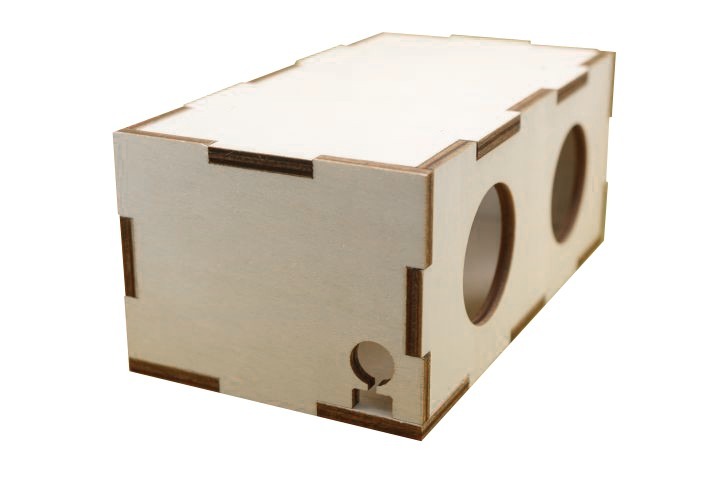
A quality wooden speaker enclosure kit should arrive with CNC-cut, pre-fitted panels. This isn’t just convenience; tight joinery reduces air leaks, which directly affects bass tightness and overall clarity.
4. Consider Internal Bracing
Bracing stops panels from flexing under bass pressure. Cheaper kits often skip this. Look for kits that include cross-bracing, especially for anything below 8 inches driver size.
5. Sealed vs Ported Design
- Sealed enclosures give tighter, more accurate bass ideal for music detail
- Ported (bass reflex) enclosures give more volume and low-end extension better for movies and impact
Your choice here should match how you’ll actually use the speakers.
Pro Tips for First-Time Builders
- Always dry-fit panels before gluing
- Use wood glue and screws for long-term panel rigidity
- Seal internal seams with silicone for airtight performance
- Add damping material (like polyfill) inside sealed boxes to improve bass accuracy
Common Mistakes to Avoid
- Ignoring driver specifications guessing enclosure volume instead of matching it to Thiele-Small parameters
- Skipping internal bracing leads to panel resonance and a “boxy” sound
- Using thin, low-density board increases vibration and colours the sound
- Rushing glue-up weak joints are the #1 cause of buzzing enclosures
What Separates a Good Kit From a Great One
A well-engineered wooden speaker enclosure isn’t just a box, it’s a calculated acoustic chamber. The best kits are tested against real driver data, not templated to a generic size. When comparing kits, ask the seller directly whether the internal volume has been calculated for your specific driver model.
Best Practices for Assembly
- Work on a flat, level surface
- Clamp panels evenly to avoid warping
- Allow full cure time before mounting drivers
- Test-fit your driver before final sealing
Conclusion
Choosing the right Wooden Speaker Enclosure kit comes down to matching driver specs, wood density, bracing, and design type to your actual listening goals. Get these right, and you’ll hear the difference immediately: tighter bass, clearer mids, and a build that lasts.
Ready to build your next speaker project the right way? Browse our range of precision-engineered wooden speaker enclosure kits, designed and tested right here in New Zealand for Kiwi builders who want it done properly the first time.