
Not every weekend project needs to end with a finished shelf or a painted fence. Some of the most rewarding ones end with something you can actually plug in, pair with your phone, and use every day — which is exactly what a Bluetooth Speakers Kit offers.
Whether you’re after a genuinely fun family activity, a thoughtful gift, or simply something more interesting than another gadget off a shelf, there’s a reason these kits have become such a popular choice across New Zealand.
Who Actually Benefits From Building One?
It’s easy to assume DIY electronics are only for tech-savvy hobbyists, but that’s not really the case anymore.
Families and Kids
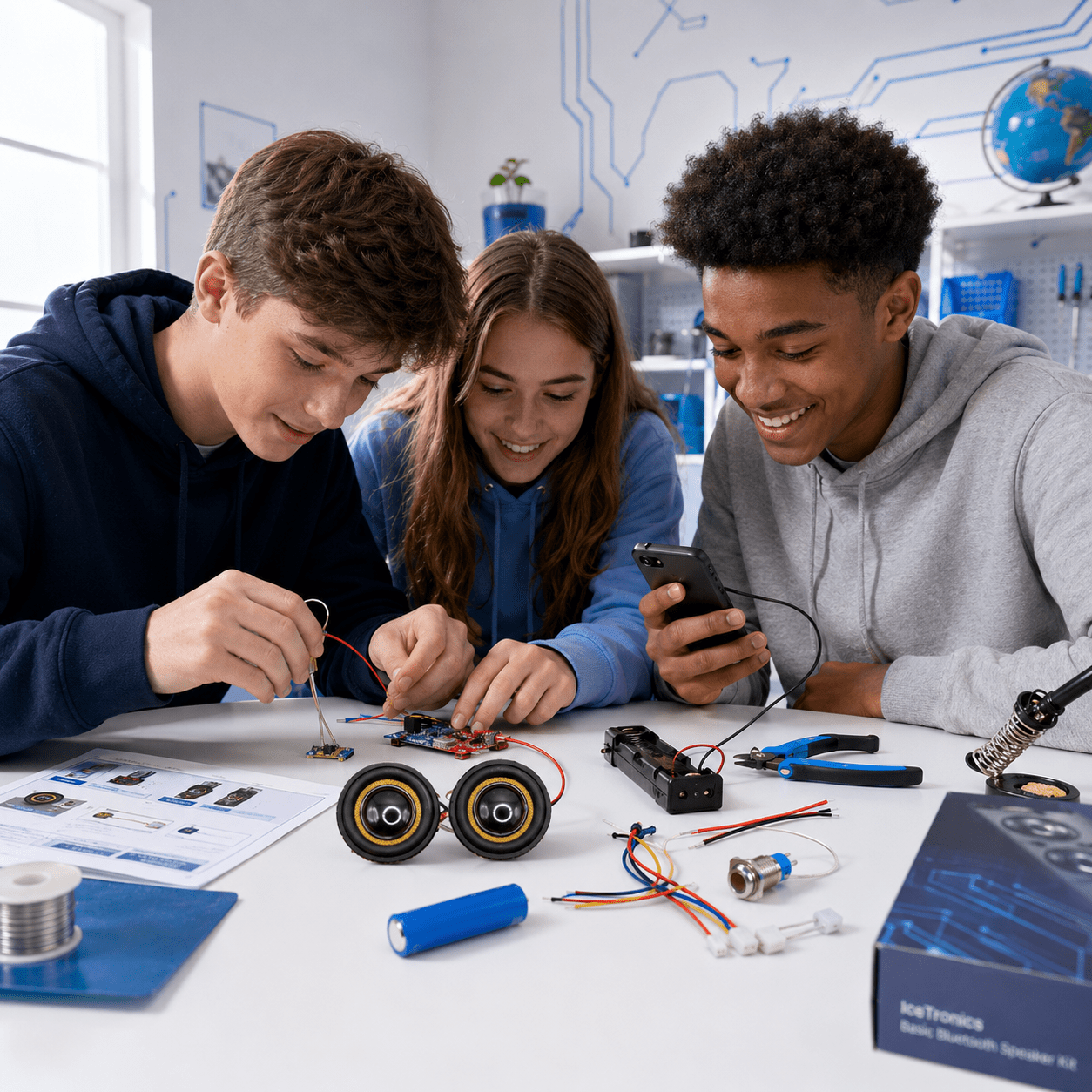
Building a speaker together gives parents and kids a genuine shared project, one that teaches practical skills without feeling like a lesson. It’s hands-on, screen-free, and ends with something the whole family actually gets to use afterwards.
Hobbyists and First-Time Builders
For adults looking for a low-pressure entry into electronics, a Bluetooth speakers kit offers just enough challenge to be satisfying without requiring specialist tools or prior experience.
Gift-Givers Looking for Something Different
A kit makes a genuinely memorable gift, especially compared to yet another off-the-shelf gadget. It gives the recipient an experience first and a product second.
The Real Benefits of Building Your Own Speaker
1. You Learn Something That Actually Sticks
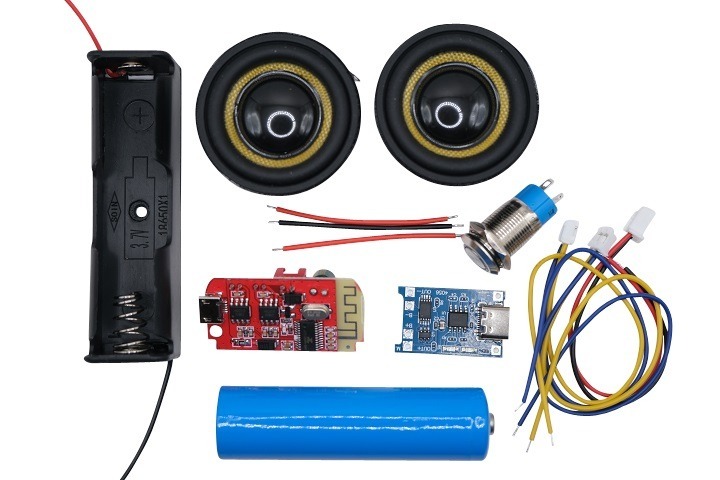
Assembling the amplifier, driver, and enclosure yourself teaches you how each part contributes to sound, which is knowledge that simply doesn’t come from unboxing a finished product.
2. You End Up With Something Genuinely Unique
No two builds ever look quite the same once personal finishing touches come into play, which is part of the appeal.
3. It’s More Affordable Than It Looks
Many kits cost less than a comparable premium retail speaker, while offering an experience a store-bought option simply can’t match.
Why the Wooden Version Tends to Win People Over
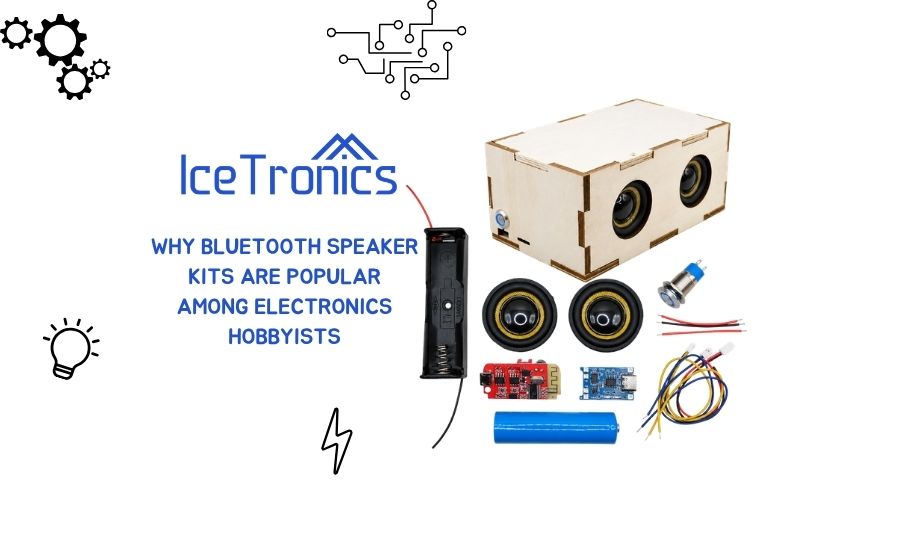
If you’re weighing up your options, it’s worth specifically considering a wooden Bluetooth speaker kit over a plastic alternative.
Better Sound, Not Just Better Looks
Timber naturally dampens vibration far more effectively than plastic, which reduces unwanted buzz and results in noticeably cleaner sound, particularly in the bass range.
A Finish That Actually Looks Intentional
A wooden enclosure looks like a finished, considered product rather than a bare circuit board, which matters if it’s going to sit out on a shelf or get gifted to someone else entirely.
Pro Tips Before You Get Started
- Set aside a full afternoon rather than rushing the build in a short session
- Involve kids in the assembly steps, not just the final testing
- Choose a wooden enclosure if sound quality and appearance both matter to you
- Keep the instructions handy throughout, rather than relying on memory partway through
Common Mistakes First-Timers Make
- Underestimating the time needed, then rushing the wiring stage as a result
- Choosing based on price alone, without checking component or enclosure quality
- Skipping the test step before final assembly, making faults harder to fix later
- Assuming it’s “too technical” for kids, when most beginner kits are specifically designed to be approachable
Expert Advice and Best Practices
People who regularly build these kits with kids or beginners tend to agree on one thing: letting the builder make mistakes and troubleshooting them is often more valuable than getting a perfect result on the first attempt. It’s the process, not just the finished speaker, that makes the project worthwhile.
Conclusion
A Bluetooth Speakers Kit offers something increasingly rare: a project that’s genuinely educational, affordable, and ends with a product you’ll actually use. And if you’re deciding between options, a wooden Bluetooth speaker kit tends to deliver the best combination of sound quality and finished appearance for the effort involved.
Ready to try one for yourself or the whole family? Explore IceTronics’ range of Bluetooth speaker kits and find the right one for your next weekend project.