
Ever opened a box of loose electronics parts and had no idea where to start? You’re not alone.
For a lot of Kiwis dipping their toes into hands-on hobbies, that overwhelmed feeling is exactly what stops a great idea from becoming a finished project. That’s where a well-designed wooden electronics box comes in it takes the guesswork out of building and gives you a solid, satisfying project from start to finish.
Whether you’re a weekend tinkerer in Auckland or a retired engineer in Otago looking for a new challenge, this guide walks you through everything you need to know.
What Is a Wooden Electronics Box, Exactly?
A wooden electronics box is essentially a project enclosure, a timber housing designed to hold circuit boards, speakers, amplifiers, or other electronic components.
Unlike plastic or metal enclosures, wood brings warmth, natural acoustics, and a handmade feel that’s hard to replicate. It’s also far more forgiving to drill, sand, and finish, which makes it ideal for beginners.
Why Wood Beats Plastic and Metal for DIY Builds
- Easier to work with no special tools required for basic modifications
- Better sound resonance, especially important for audio projects
- More aesthetically pleasing looks great on a shelf, not just in a drawer
- Environmentally friendly, often made from sustainably sourced timber
Why Wooden DIY Projects Are Booming Across NZ
New Zealand has always had a strong “give it a go” culture, and that spirit is now showing up in home workshops everywhere. Wooden DIY projects have become a go-to weekend activity for people wanting something screen-free, practical, and genuinely rewarding.
Here’s what’s driving the trend:
- A desire for hands-on hobbies after years of screen-heavy routines
- Rising interest in sustainable, timber-based crafts
- Growing appeal of “build it yourself” kits that remove the planning headache
If you’ve been searching for a project that’s simple enough for a Sunday afternoon but satisfying enough to show off, this category ticks every box.
Wooden Speaker Box Kit: The Most Popular Starting Point
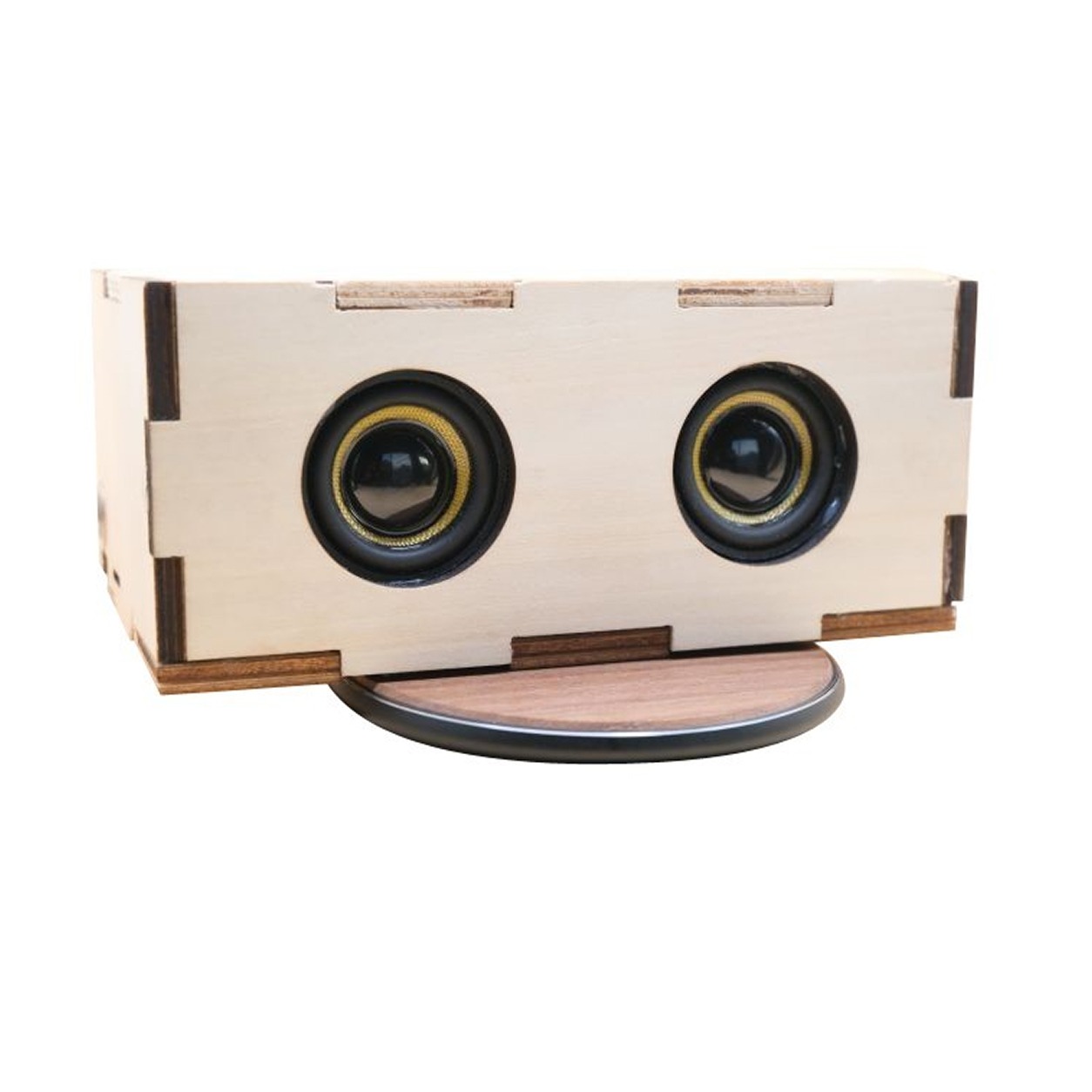
Among all wooden DIY projects, the Wooden Speaker Box Kit consistently ranks as the most popular choice, and it’s easy to see why.
What Makes These Kits So Beginner-Friendly
Most kits come pre-cut and pre-drilled and include all the hardware you need. That means:
- No need for expensive power tools
- No guessing on measurements
- Clear instructions that walk you through assembly step by step
What You’ll Typically Need to Get Started
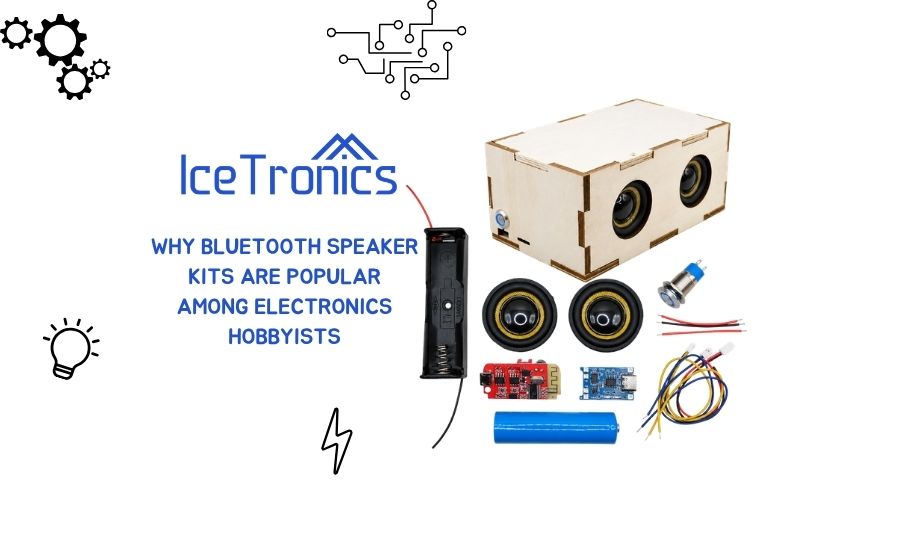
- A pre-cut wooden enclosure kit
- Basic screwdriver or drill
- Wood glue (optional, for extra durability)
- Sandpaper and finishing oil or varnish
Most builders finish their first speaker box in under two hours, even with zero prior experience.
Pro Tips for a Better Build
Small details make a big difference. Keep these in mind:
- Dry-fit everything first before adding glue or driving screws
- Sand between coats if you’re applying varnish or oil for a smoother finish
- Test your components before final assembly; it’s much easier to fix wiring issues early
- Use felt pads on the base to protect furniture and reduce vibration noise
Common Mistakes to Avoid
Even simple builds can go sideways if you rush. Watch out for these:
- Over-tightening screws, which can crack timber panels
- Skipping the dry-fit step, leading to misaligned components
- Ignoring ventilation gaps, which matters for electronics that generate heat
- Ignoring the instructions provided in the kit, since every design is slightly different
Expert Advice: Best Practices for Long-Lasting Results
If you want your finished piece to last for years, not months, follow these best practices:
- Apply a protective finish (oil, wax, or varnish) to guard against humidity, especially relevant given NZ’s coastal climate
- Store unfinished kits in a dry area before assembly
- Avoid direct sunlight exposure once finished, as it can fade timber over time
- Double-check all wiring connections before sealing the enclosure
These small habits go a long way toward keeping your project looking and performing its best.
Final Thoughts:
Building your own wooden electronics box isn’t just about the finished product it’s about the satisfaction of creating something functional and good-looking with your own hands. From beginner-friendly Wooden DIY Projects to the ever-popular wooden speaker box kit, there’s never been a better time to start.
If you’re ready to stop scrolling for ideas and start building, grab a well-designed kit, clear your table, and set aside an afternoon. You’ll be surprised how quickly a pile of timber and parts turns into something you’re proud to show of